Car Not Starting in Cold Weather? Here's How To Tell What's Wrong
It's a cold Michigan morning and you're already running late. You get into your car and when you turn the key, your car won’t start. Maybe you hear a slow, labored crank. Maybe just a click. Or worse, complete silence.
Cold weather battery problems spike every Winter across Michigan. The question isn't whether cold winter weather affects car batteries. It's understanding what's actually failing and what you can do about it.
At Auto DR, we've diagnosed hundreds of cold weather battery issues throughout Macomb and St. Clair Counties. The good news? Not every dead battery means you need a replacement. Sometimes it's a bad alternator. Sometimes it's just the effects of cold weather. We’ll help you understand what you're dealing with.
Why Michigan Winters Are Brutal on Car Batteries
Cold weather doesn't just make batteries work harder. It fundamentally changes how they function. When temperatures drop below freezing, the chemical reactions inside your battery slow down dramatically. At 32°F, a fully charged battery loses about 35% of its starting power. At 0°F, it loses up to 60%.
Meanwhile, your engine needs more power to start in the cold. Motor oil thickens and fuel doesn't vaporize as easily. Your starter has to work twice as hard just to turn the engine over. This creates a perfect storm where your battery delivers less power exactly when your vehicle needs more.
Michigan's freeze-thaw cycles add another layer of stress. When temperatures swing from 10°F overnight to 35°F by afternoon, battery components expand and contract repeatedly. This accelerates internal wear and can crack battery cases or damage internal connections.
Cold Weather Symptoms: What's Normal vs. Red Flags
Not every winter car battery issue signals a complete battery failure. Some symptoms are just your vehicle responding to extremely cold weather.
Normal cold weather behavior includes:
- Slightly slower cranking on the first start of the day, especially when temperatures are below 20°F. Once the engine warms up and you restart within a few hours, cranking should be normal.
- Headlights that dim slightly when cranking the engine in very cold conditions. They should return to full brightness once the engine starts.
- Needing to crank for an extra second or two on sub-zero mornings. If the engine fires up and runs normally, your starting system is probably fine.
Red flags that indicate actual problems include:
- Progressively slower cranking over several days. What started as a slight hesitation might slowly turn into labored grinding. This pattern suggests your battery is failing.
- Clicking sounds when you turn the key with no engine cranking. This classic symptom means your battery doesn't have enough power to engage the starter.
- A complete electrical failure—no lights, no dashboard, nothing. Check your battery connections first, but this often indicates a dead battery.
- Your engine cranks normally but won't start. This typically isn't a battery issue. Look at fuel delivery or ignition systems instead.
The distinction matters. If your car won't start in cold weather but fires right up after a jump, you're likely dealing with a battery or charging system issue. If it cranks normally but won't catch, the problem lies elsewhere.
5 Signs of a Bad Battery
Beyond cold weather battery symptoms, certain warning signs indicate your battery is approaching the end of its life, regardless of temperature.
1. Your Battery Is Over Three Years Old
Car batteries typically last 3-5 years in Michigan's climate. If yours is approaching that range and showing any other symptoms, a battery replacement is probably needed soon. Check the manufacturing date stamped on the battery case.
2. Corrosion on Battery Terminals
White, ashy buildup around battery posts indicates active corrosion. While cleaning the terminals sometimes helps, heavy corrosion often signals that the battery is leaking and failing internally. Drivers throughout Macomb and St. Clair Counties should check for this during winter, especially since road salt accelerates the process.
3. Swollen or Bloated Battery Case
Extreme heat or cold can cause battery cases to swell. If your battery looks "fat" compared to when it was new, internal damage has occurred and a replacement is necessary.
4. Electrical Issues Getting Worse
Dimming headlights, flickering interior lights, or power accessories that work intermittently all suggest inadequate voltage supply. If these problems worsen over time rather than staying consistent, your battery is likely declining.
5. Repeated Jump Starts
If you need to jump start your car more than once or twice, stop assuming it's just the cold. A healthy battery in good condition should hold a charge even in Michigan winters. Repeated failures indicate a replacement is needed.
Battery vs. Alternator Problems
Here's where winter diagnostics get tricky. A failing alternator produces almost identical signs to a dying battery. Understanding the difference saves you from replacing the wrong component.
It's your battery if:
- The engine cranks slowly or not at all before jump starting
- Once jump started, the vehicle runs normally and restarts fine—until it sits overnight and you're back to square one
- Dashboard lights and electrical accessories work normally while driving
It's your alternator if:
- The engine cranks and starts normally (at least initially)
- While driving, you notice dimming headlights or flickering dashboard lights
- The battery warning light illuminates on your dashboard
- Electrical accessories like power windows move slower than normal
- The vehicle dies while driving, even after being jump started
Why This Distinction Matters
If you’re noticing signs of a dying battery, you’ll want to get a new one soon. A new battery costs $100-200, while a new alternator, including labor, runs hundreds of dollars more. Ourcomprehensive electrical diagnostic testingidentifies the actual problem before you spend money unnecessarily. We test battery voltage, alternator output, and charging system operation to pinpoint exactly what's failing.
What To Do When Your Car Won't Start in the Cold
When you're stranded in a freezing parking lot in Macomb, New Baltimore, Chesterfield, or anywhere else in Macomb or St. Clair Counties, you need practical next steps to help you get back on the road.
Immediate Actions
First, turn off all of your car’s electronics—radio, heater, lights. These draw power needed for starting. Turn the key and hold it for no more than 10 seconds. If nothing happens, wait 30 seconds and try again. Sometimes a brief rest lets the battery recover enough voltage for one more attempt.
Check your battery connections. Pop the hood and look for loose or heavily corroded terminals. Wiggling cables might restore enough connection to start. If you see heavy white or green corrosion, that's likely your problem.
Don't keep trying if the engine won't crank. Repeatedly attempting to start with a dead battery can damage your starter motor.
Jump Starting Properly
If you have jumper cables and another vehicle, here's the correct sequence. Connect the red positive cable to the dead battery's positive terminal, then to the good battery's positive terminal. Connect the black negative cable to the good battery's negative terminal, then to an unpainted metal surface on the dead car's engine block—not directly to the battery's negative terminal.
Start the working vehicle and let it run for 2-3 minutes before attempting to start the dead car. This charges the dead battery slightly, improving success rates.
Once started, don't shut off your engine. Drive for at least 20-30 minutes to recharge the battery. Highway driving works better than stop-and-go around Metro Detroit—the higher RPMs charge faster.
When To Call For Help
If your car is not starting in cold weather after a successful jump earlier in the day, you likely need to contact your local auto shop. The problem might be your alternator, not your car battery. If you’re waking up with a dead battery every morning, don't keep jumping it daily. Schedule a diagnostic appointment to identify the root cause.
How To Prevent Battery Problems This Winter
Prevention beats roadside emergencies every time. A few simple steps protect your battery through Michigan's harsh winters.
Keep Your Battery Terminals Clean
Corrosion creates resistance that makes your car battery appear dead, even if it’s in good condition. During your next oil change service, ask our technicians to clean your terminals and apply protective spray. This five-minute service prevents countless winter headaches.
Test Your Battery Before Winter Hits
October is the perfect time for battery testing. Most batteries that fail in January show warning signs months earlier. Our battery testing process checks voltage, cold cranking amps, and overall battery health. Replacing a dying battery in October beats getting stranded with a dead battery in January.
Limit Short Trips in Extreme Cold
Multiple short drives without allowing your battery to fully recharge gradually drains it. When temperatures drop below 20°F, combine errands when possible rather than making three separate five-minute trips.
The Snowbird Problem
For Michigan residents who spend winters in Florida, vehicle storage creates unique battery challenges. When your car sits unused for weeks or months, the battery slowly self-discharges. In cold garages during the winter, this process accelerates.
Cold weather can drain batteries when cars sit idle for long periods of time. Parasitic draws from your vehicle's computer systems, security system, and clock continue pulling small amounts of power even when parked. Over weeks, these tiny draws add up to a completely dead battery.
If you're heading south for winter, consider a battery tender. These smart chargers maintain your battery at optimal charge without overcharging. They’re affordable and prevent the frustration of returning to Michigan in March or April only to discover your car won't start.
Alternatively, disconnect your battery's negative cable before leaving. This stops all parasitic drain completely. Just remember you'll need to reset your radio presets and clock when you return.
When To Call Auto DR
Some battery situations require professional attention rather than DIY solutions. We’ll help you determine if you have a bad battery or alternator that is causing the issues you are noticing.
You need professional diagnostics if:
- Your battery is less than two years old but repeatedly dies. This suggests an underlying charging system problem, parasitic drain, or defective battery under warranty.
- You've replaced your battery but still experience starting problems. The issue likely isn't the battery. It might be your starter, alternator, or electrical system.
- You smell rotten eggs (sulfur) near your battery. This indicates dangerous internal battery failure requiring an immediate replacement.
- Your battery warning light stays illuminated while driving. This signals alternator or charging system problems that a simple battery replacement won’t fix.
- You notice the battery dies overnight when cold, even with a new battery. Hidden parasitic drains require specialized diagnostic equipment to locate.
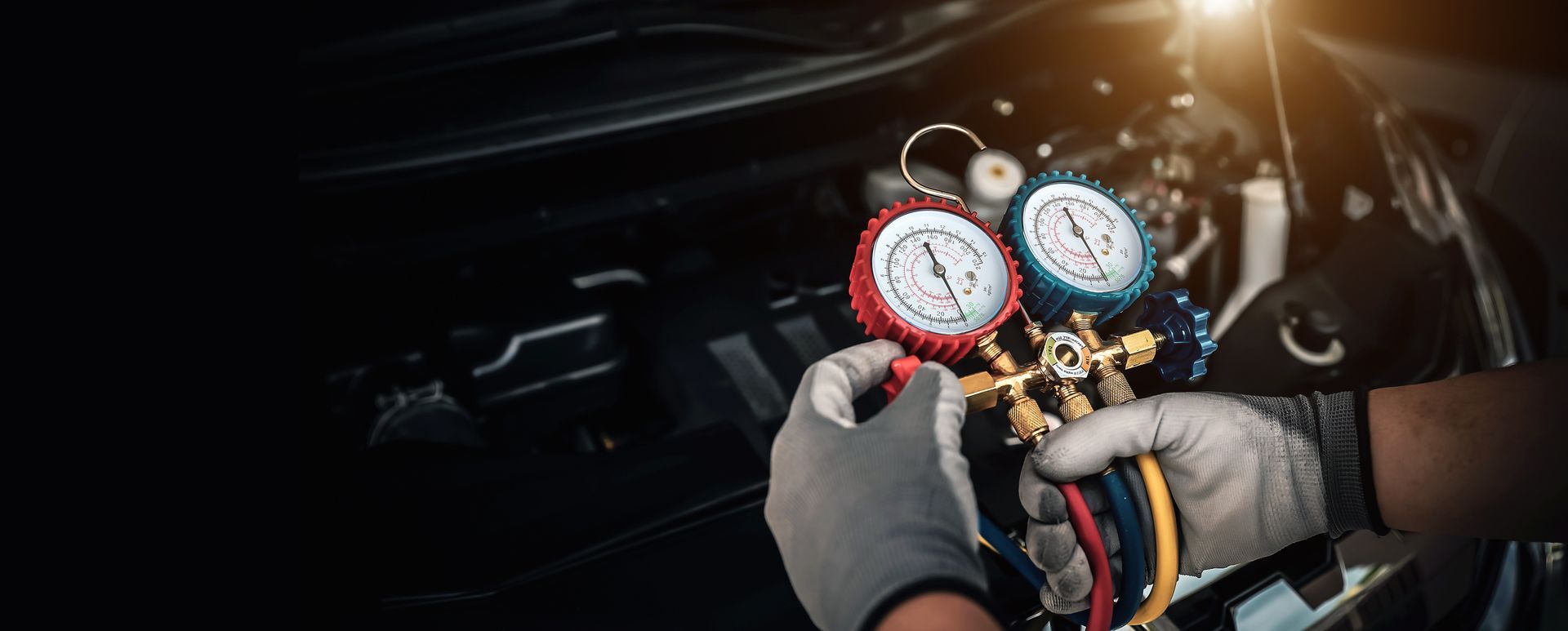
At Auto DR, our electrical system diagnostics go beyond simple battery testing. We check your alternator output under load, test for parasitic drains, inspect all electrical connections, and verify your charging system maintains proper voltage. Our ASE-certified technicians use professional-grade equipment that identifies problems other shops miss.
Most importantly, we explain exactly what we find and why it matters. If your three-year-old battery is marginal but will probably make it through winter, we'll tell you. If a replacement is necessary for safety and reliability, we'll show you why. This transparent approach has kept neighbors throughout Macomb, Richmond, Marine City, Harrison Township, and the surrounding areas trusting us since 2012.
Winter battery problems are frustrating, but they don't have to leave you stranded. Understanding what's normal, recognizing warning signs, and knowing when to seek professional help keeps you moving through even the coldest Michigan mornings.
If your car is not starting in cold weather,
contact Auto DR at (586) 684-3368
to schedule your
electrical diagnostic
appointment. Our team is here to keep you on the road safely—no matter what Michigan weather throws at us.
Frequently Asked Questions About Cold Battery Problems
Can a completely dead battery be recharged?
It depends on why the battery died. If you left your lights on overnight and drained an otherwise healthy battery, yes—a proper recharge should restore it fully. However, if your battery died from age or internal failure, recharging provides temporary help at best. A battery that's been completely dead for several days may suffer permanent damage from sulfation, where lead sulfate crystals form on the plates and reduce capacity. Our diagnostic testing determines whether your dead battery is worth recharging or needs replacement.
How long does a car battery last in Michigan?
Most car batteries last 3-5 years in Michigan's climate, which is shorter than the national average due to our temperature extremes. Batteries that experience both harsh winters and hot summers age faster than those in moderate climates. Regular testing after year three helps you replace batteries before they fail unexpectedly. If you frequently make short trips or your vehicle sits unused for long periods, expect shorter battery life.
Why does my car battery die overnight in cold weather but work fine during the day?
This pattern typically indicates a weak battery that's barely holding sufficient charge. During the day, after driving, your alternator replenishes the battery enough to start the engine while everything is warm. Overnight, cold temperatures reduce the battery's available power while parasitic draws from your vehicle's computers and systems slowly drain what little charge remains. By morning in sub-freezing temperatures, the weakened battery doesn't have enough power to crank the cold, thick-oil engine. This is one of the clearest signs your battery needs to be replaced soon.
What should I do when my car battery dies?
First, don't panic—and don't keep trying to start it. Turn off all electrical accessories (radio, heater, lights) to preserve any remaining power. If you have jumper cables and access to another vehicle, jump starting is your quickest solution. If you don't have cables or another vehicle, call for roadside assistance or a tow. If your battery dies repeatedly or won't hold a charge after jump starting, don't keep jumping it daily—that's a sign of a deeper problem. Give us a call and we can help you figure out what’s going on.
How long can a car sit before the battery dies?
Most healthy car batteries can sit unused for 2-4 weeks before draining completely, but several factors affect this timeline. Temperature plays a huge role—batteries self-discharge faster in extreme cold or heat, so during Michigan winters, that window shortens to 1-2 weeks for older batteries. Your vehicle's parasitic draw matters too. Modern cars have computers, security systems, and modules that continue drawing small amounts of power even when parked. For snowbirds heading to Florida or anyone storing a vehicle for winter, either use a battery tender to maintain charge or disconnect the negative battery cable to eliminate parasitic drain completely.
It's a cold Michigan morning and you're already running late. You get into your car and when you turn the key, your car won’t start. Maybe you hear a slow, labored crank. Maybe just a click. Or worse, complete silence.
Cold weather battery problems spike every Winter across Michigan. The question isn't whether cold winter weather affects car batteries. It's understanding what's actually failing and what you can do about it.
At Auto DR, we've diagnosed hundreds of cold weather battery issues throughout Macomb and St. Clair Counties. The good news? Not every dead battery means you need a replacement. Sometimes it's a bad alternator. Sometimes it's just the effects of cold weather. We’ll help you understand what you're dealing with.
Why Michigan Winters Are Brutal on Car Batteries
Cold weather doesn't just make batteries work harder. It fundamentally changes how they function. When temperatures drop below freezing, the chemical reactions inside your battery slow down dramatically. At 32°F, a fully charged battery loses about 35% of its starting power. At 0°F, it loses up to 60%.
Meanwhile, your engine needs more power to start in the cold. Motor oil thickens and fuel doesn't vaporize as easily. Your starter has to work twice as hard just to turn the engine over. This creates a perfect storm where your battery delivers less power exactly when your vehicle needs more.
Michigan's freeze-thaw cycles add another layer of stress. When temperatures swing from 10°F overnight to 35°F by afternoon, battery components expand and contract repeatedly. This accelerates internal wear and can crack battery cases or damage internal connections.
Cold Weather Symptoms: What's Normal vs. Red Flags
Not every winter car battery issue signals a complete battery failure. Some symptoms are just your vehicle responding to extremely cold weather.
Normal cold weather behavior includes:
- Slightly slower cranking on the first start of the day, especially when temperatures are below 20°F. Once the engine warms up and you restart within a few hours, cranking should be normal.
- Headlights that dim slightly when cranking the engine in very cold conditions. They should return to full brightness once the engine starts.
- Needing to crank for an extra second or two on sub-zero mornings. If the engine fires up and runs normally, your starting system is probably fine.
Red flags that indicate actual problems include:
- Progressively slower cranking over several days. What started as a slight hesitation might slowly turn into labored grinding. This pattern suggests your battery is failing.
- Clicking sounds when you turn the key with no engine cranking. This classic symptom means your battery doesn't have enough power to engage the starter.
- A complete electrical failure—no lights, no dashboard, nothing. Check your battery connections first, but this often indicates a dead battery.
- Your engine cranks normally but won't start. This typically isn't a battery issue. Look at fuel delivery or ignition systems instead.
The distinction matters. If your car won't start in cold weather but fires right up after a jump, you're likely dealing with a battery or charging system issue. If it cranks normally but won't catch, the problem lies elsewhere.
5 Signs of a Bad Battery
Beyond cold weather battery symptoms, certain warning signs indicate your battery is approaching the end of its life, regardless of temperature.
1. Your Battery Is Over Three Years Old
Car batteries typically last 3-5 years in Michigan's climate. If yours is approaching that range and showing any other symptoms, a battery replacement is probably needed soon. Check the manufacturing date stamped on the battery case.
2. Corrosion on Battery Terminals
White, ashy buildup around battery posts indicates active corrosion. While cleaning the terminals sometimes helps, heavy corrosion often signals that the battery is leaking and failing internally. Drivers throughout Macomb and St. Clair Counties should check for this during winter, especially since road salt accelerates the process.
3. Swollen or Bloated Battery Case
Extreme heat or cold can cause battery cases to swell. If your battery looks "fat" compared to when it was new, internal damage has occurred and a replacement is necessary.
4. Electrical Issues Getting Worse
Dimming headlights, flickering interior lights, or power accessories that work intermittently all suggest inadequate voltage supply. If these problems worsen over time rather than staying consistent, your battery is likely declining.
5. Repeated Jump Starts
If you need to jump start your car more than once or twice, stop assuming it's just the cold. A healthy battery in good condition should hold a charge even in Michigan winters. Repeated failures indicate a replacement is needed.
Battery vs. Alternator Problems
Here's where winter diagnostics get tricky. A failing alternator produces almost identical signs to a dying battery. Understanding the difference saves you from replacing the wrong component.
It's your battery if:
- The engine cranks slowly or not at all before jump starting
- Once jump started, the vehicle runs normally and restarts fine—until it sits overnight and you're back to square one
- Dashboard lights and electrical accessories work normally while driving
It's your alternator if:
- The engine cranks and starts normally (at least initially)
- While driving, you notice dimming headlights or flickering dashboard lights
- The battery warning light illuminates on your dashboard
- Electrical accessories like power windows move slower than normal
- The vehicle dies while driving, even after being jump started
Why This Distinction Matters
If you’re noticing signs of a dying battery, you’ll want to get a new one soon. A new battery costs $100-200, while a new alternator, including labor, runs hundreds of dollars more. Ourcomprehensive electrical diagnostic testingidentifies the actual problem before you spend money unnecessarily. We test battery voltage, alternator output, and charging system operation to pinpoint exactly what's failing.
What To Do When Your Car Won't Start in the Cold
When you're stranded in a freezing parking lot in Macomb, New Baltimore, Chesterfield, or anywhere else in Macomb or St. Clair Counties, you need practical next steps to help you get back on the road.
Immediate Actions
First, turn off all of your car’s electronics—radio, heater, lights. These draw power needed for starting. Turn the key and hold it for no more than 10 seconds. If nothing happens, wait 30 seconds and try again. Sometimes a brief rest lets the battery recover enough voltage for one more attempt.
Check your battery connections. Pop the hood and look for loose or heavily corroded terminals. Wiggling cables might restore enough connection to start. If you see heavy white or green corrosion, that's likely your problem.
Don't keep trying if the engine won't crank. Repeatedly attempting to start with a dead battery can damage your starter motor.
Jump Starting Properly
If you have jumper cables and another vehicle, here's the correct sequence. Connect the red positive cable to the dead battery's positive terminal, then to the good battery's positive terminal. Connect the black negative cable to the good battery's negative terminal, then to an unpainted metal surface on the dead car's engine block—not directly to the battery's negative terminal.
Start the working vehicle and let it run for 2-3 minutes before attempting to start the dead car. This charges the dead battery slightly, improving success rates.
Once started, don't shut off your engine. Drive for at least 20-30 minutes to recharge the battery. Highway driving works better than stop-and-go around Metro Detroit—the higher RPMs charge faster.
When To Call For Help
If your car is not starting in cold weather after a successful jump earlier in the day, you likely need to contact your local auto shop. The problem might be your alternator, not your car battery. If you’re waking up with a dead battery every morning, don't keep jumping it daily. Schedule a diagnostic appointment to identify the root cause.
How To Prevent Battery Problems This Winter
Prevention beats roadside emergencies every time. A few simple steps protect your battery through Michigan's harsh winters.
Keep Your Battery Terminals Clean
Corrosion creates resistance that makes your car battery appear dead, even if it’s in good condition. During your next oil change service, ask our technicians to clean your terminals and apply protective spray. This five-minute service prevents countless winter headaches.
Test Your Battery Before Winter Hits
October is the perfect time for battery testing. Most batteries that fail in January show warning signs months earlier. Our battery testing process checks voltage, cold cranking amps, and overall battery health. Replacing a dying battery in October beats getting stranded with a dead battery in January.
Limit Short Trips in Extreme Cold
Multiple short drives without allowing your battery to fully recharge gradually drains it. When temperatures drop below 20°F, combine errands when possible rather than making three separate five-minute trips.
The Snowbird Problem
For Michigan residents who spend winters in Florida, vehicle storage creates unique battery challenges. When your car sits unused for weeks or months, the battery slowly self-discharges. In cold garages during the winter, this process accelerates.
Cold weather can drain batteries when cars sit idle for long periods of time. Parasitic draws from your vehicle's computer systems, security system, and clock continue pulling small amounts of power even when parked. Over weeks, these tiny draws add up to a completely dead battery.
If you're heading south for winter, consider a battery tender. These smart chargers maintain your battery at optimal charge without overcharging. They’re affordable and prevent the frustration of returning to Michigan in March or April only to discover your car won't start.
Alternatively, disconnect your battery's negative cable before leaving. This stops all parasitic drain completely. Just remember you'll need to reset your radio presets and clock when you return.
When To Call Auto DR
Some battery situations require professional attention rather than DIY solutions. We’ll help you determine if you have a bad battery or alternator that is causing the issues you are noticing.
You need professional diagnostics if:
- Your battery is less than two years old but repeatedly dies. This suggests an underlying charging system problem, parasitic drain, or defective battery under warranty.
- You've replaced your battery but still experience starting problems. The issue likely isn't the battery. It might be your starter, alternator, or electrical system.
- You smell rotten eggs (sulfur) near your battery. This indicates dangerous internal battery failure requiring an immediate replacement.
- Your battery warning light stays illuminated while driving. This signals alternator or charging system problems that a simple battery replacement won’t fix.
- You notice the battery dies overnight when cold, even with a new battery. Hidden parasitic drains require specialized diagnostic equipment to locate.
At Auto DR, our electrical system diagnostics go beyond simple battery testing. We check your alternator output under load, test for parasitic drains, inspect all electrical connections, and verify your charging system maintains proper voltage. Our ASE-certified technicians use professional-grade equipment that identifies problems other shops miss.
Most importantly, we explain exactly what we find and why it matters. If your three-year-old battery is marginal but will probably make it through winter, we'll tell you. If a replacement is necessary for safety and reliability, we'll show you why. This transparent approach has kept neighbors throughout Macomb, Richmond, Marine City, Harrison Township, and the surrounding areas trusting us since 2012.
Winter battery problems are frustrating, but they don't have to leave you stranded. Understanding what's normal, recognizing warning signs, and knowing when to seek professional help keeps you moving through even the coldest Michigan mornings.
If your car is not starting in cold weather,
contact Auto DR at (586) 271-6466
to schedule your
electrical diagnostic
appointment. Our team is here to keep you on the road safely—no matter what Michigan weather throws at us.
Frequently Asked Questions About Cold Battery Problems