Hearing an Engine Knocking Sound? Here's How to Identify the Problem
Engine noises have a way of showing up at the worst possible time—and they never sound like good news. You might be hearing a knock, a tick, or some kind of metallic noise that has you worried.
Not all engine knocking sounds are equal. Some demand immediate attention. Others, while still important, won't leave you stranded. The key is knowing what you're hearing.
At Auto DR, we have diagnosed engine problems across every make and model. Let's break down what you might be hearing.
What Does Engine Knocking Actually Sound Like?
Engine knocking is exactly what it sounds like—a knocking, tapping, or pinging noise from your engine. The sound can range from light, rapid ticking to heavy, deep banging.
The knocking sound in your engine can appear in different situations. Sometimes it’s only when you're accelerating, idling, or maybe you only notice it on cold Michigan mornings. The pattern, volume, and timing all point to different underlying issues.
Common Types of Engine Knocking Sounds
Rod Knock (Bearing Failure)
What it sounds like: Heavy, deep metallic knocking, like someone rhythmically hammering on your engine block.
When you'll hear it: Usually constant, gets louder as engine RPMs increase. This kind of knocking won't go away when the engine warms up.
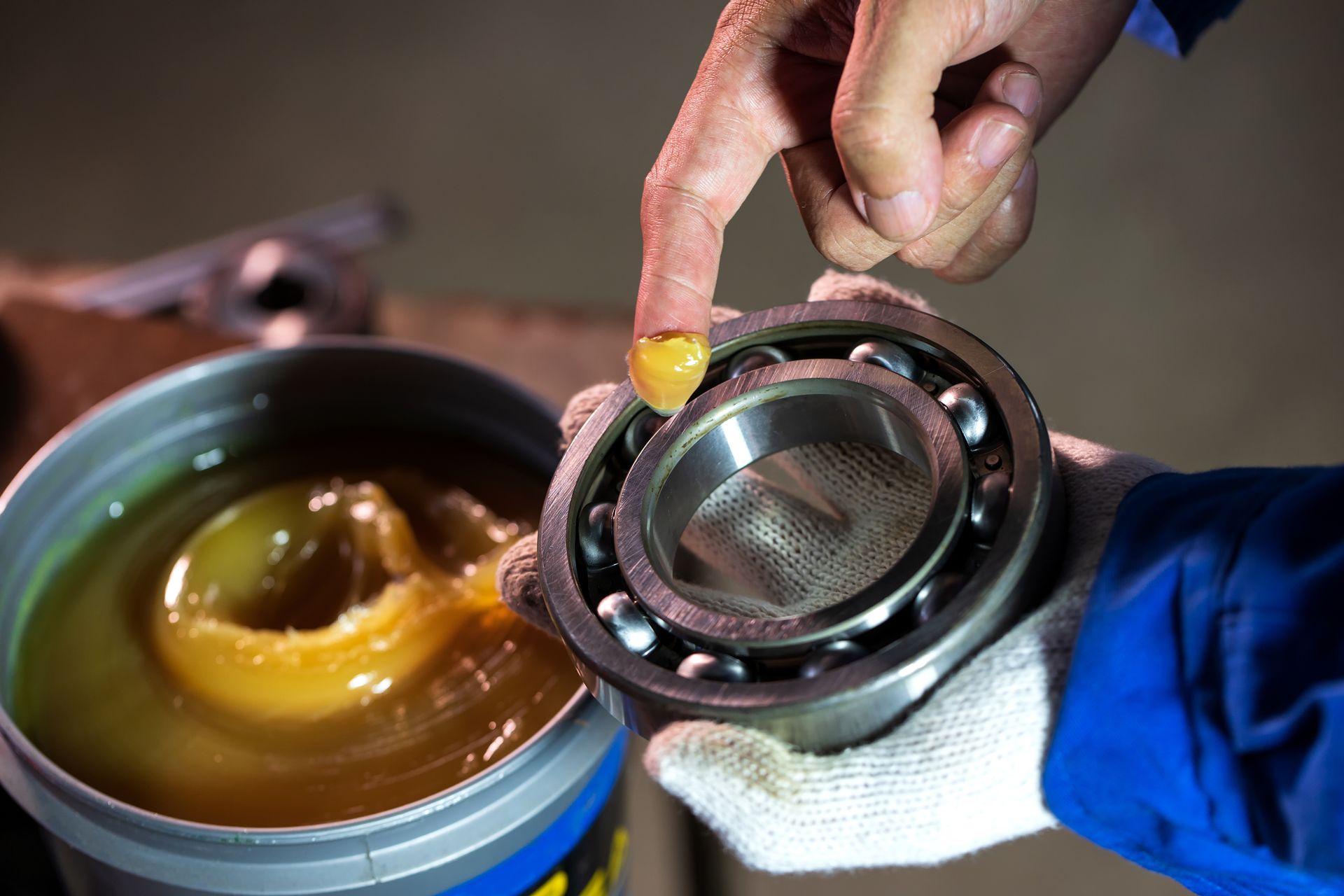
What causes it: Worn bearings allow metal-on-metal contact, often from oil starvation,caused by low oil levels, poor oil quality, or skipped oil changes.
Urgency level: 🚨 Stop driving immediately. Rod knocking can destroy an engine in minutes. Pull over safely and call for a tow.
This type of failure requires professional engine repairs to prevent a complete engine replacement.
Piston Slap
What it sounds like: Lighter metallic tapping or rattling—a rapid tick-tick-tick rather than heavy knock-knock-knock.
When you'll hear it: Most noticeable on cold starts, tends to quiet or disappear once your engine reaches operating temperature. This knocking is especially common during Michigan winters.
What causes it: As pistons and cylinder walls wear, the clearance increases. When the engine is cold and metal contracts, this gap allows the piston to "slap" the cylinder wall.
Urgency level: ⚠️ Monitor, but not an emergency. This won't cause an immediate failure, but indicates wear that will worsen over time. Keep an eye on oil consumption and schedule an inspection.
Detonation (Spark Knock or Pinging)
What it sounds like: Light pinging, rattling, or metallic clicking most noticeable under load, such as when you’re accelerating onto highways, climbing hills, or hauling heavy loads.
When you'll hear it: You’ll hear this sound when you’re accelerating and increasing the engine’s RPMs. It happens when you're asking your engine for power.
What causes it: Fuel ignites prematurely or unevenly in the combustion chamber. This can be caused by a low-octane fuel, carbon buildup, or incorrect ignition timing.
Urgency level: ⚠️ Address within a week or two. This won't immediately destroy your engine, but sustained knocking under load damages pistons and cylinder heads over time. You'll want to get this checked out by a local auto shop soon.
Lifter Tick (Valve Train Noise)
What it sounds like: Rapid clicking or ticking from the top of the engine. It sounds like a sewing machine. This sound is faster and higher-pitched than rod knocks or piston slaps.
When you'll hear it: Can be constant or intermittent. Some vehicles tick all the time, while others only tick when the oil is low or has the wrong viscosity.
What causes it: Hydraulic valve lifters not receiving adequate oil pressure, worn lifters, or valve lash needing adjustment.
Urgency level: ⏱️ Check oil immediately, then schedule an inspection. Check your oil level. Low oil commonly causes lifter tick. If ticking continues after topping off, schedule an engine inspection with your local auto shop. While a lifter tick won't cause an immediate catastrophic failure, your valve train isn't getting proper lubrication, which leads to bigger problems.
When Should You Worry?
Red Flags—Stop Driving and Get a Tow:
- Heavy knocking that gets progressively louder with higher RPMs
- Knocking accompanied by the oil pressure warning light
- Sudden loss of power, along with knocking
- Knocking that started after the engine overheating
- Smoke from the engine, along with knocking
If you're experiencing any of these symptoms, your vehicle needs immediate engine repair services. Don't risk catastrophic damage.
Can Schedule an Appointment (But Don't Ignore):
- Light tapping only on cold starts that disappears when the engine warms up
- Pinging only under heavy acceleration
- Consistent ticking that's been present without getting worse
Michigan's cold winters can make minor engine noises sound worse. However, don't use weather as an excuse to ignore warning signs. If you're unsure, get it checked. A diagnostic appointment now beats an engine replacement later.
What Auto DR Checks During Engine Diagnostics
When you bring your vehicle to our shop with engine knocking concerns, you get decades of combined diagnostic experience—not guesswork.
We Listen: Our ASE-certified technicians drive and operate your vehicle to hear the sound firsthand. The location, timing, and character tell us a lot before we open the hood.
We Inspect: We check oil levels and condition, looking for metal shavings, correct viscosity, or any contamination. We visually inspect accessible engine components.
We Test: Depending on what we find, we may perform compression tests, use diagnostic equipment to check ignition timing and fuel systems, or inspect valve train components.
We Explain: You get straight answers about what's causing the noise, what needs immediate repairs versus monitoring, and realistic cost expectations.
Our Master Technician, Dustin, founded Auto DR on transparent, trustworthy service. If your cold-start piston slap doesn't need an immediate repair, we'll tell you. If you're facing serious bearing failure, we'll explain what that means and your options.
If you're hearing engine knocking, don't wait to find out what it is. Auto DR has been helping drivers throughout Metro Detroit solve engine problems for over a decade. Schedule your diagnostic today.
Frequently Asked Questions About Engine Knocking Sounds
Can I drive with an engine knocking sound?
It depends on the type. Heavy rod knocking means you need to stop immediately and call for a tow—continuing can destroy your engine. Light piston slaps on cold starts are typically okay to drive carefully until you schedule an appointment. If you’re unsure what’s going on with your engine, err on the side of caution and contact us.
Will engine knocking go away on its own?
No. Engine knocking always indicates a mechanical issue that won't resolve itself. Even if the sound quiets when the engine warms or comes and goes, the underlying problem remains and will worsen over time.
What causes engine knocking in cold weather?
Cold temperatures cause metal to contract, creating additional clearance between pistons and cylinder walls—this amplifies piston slaps. If your vehicle only knocks for 30-60 seconds after a cold start and the sound disappears when the engine warms up, you're likely experiencing piston slaps. While not an emergency, it's worth having it inspected to understand the extent of the wear.